How False Information Propagates Online
Discover valuable tools we use to promote media literacy and critical thinking.
Fact-Checking Fundamentals
Understand the core principles essential for identifying false information.
Media Narrative Analysis
Dive into sophisticated methods for dissecting media messages and bias.
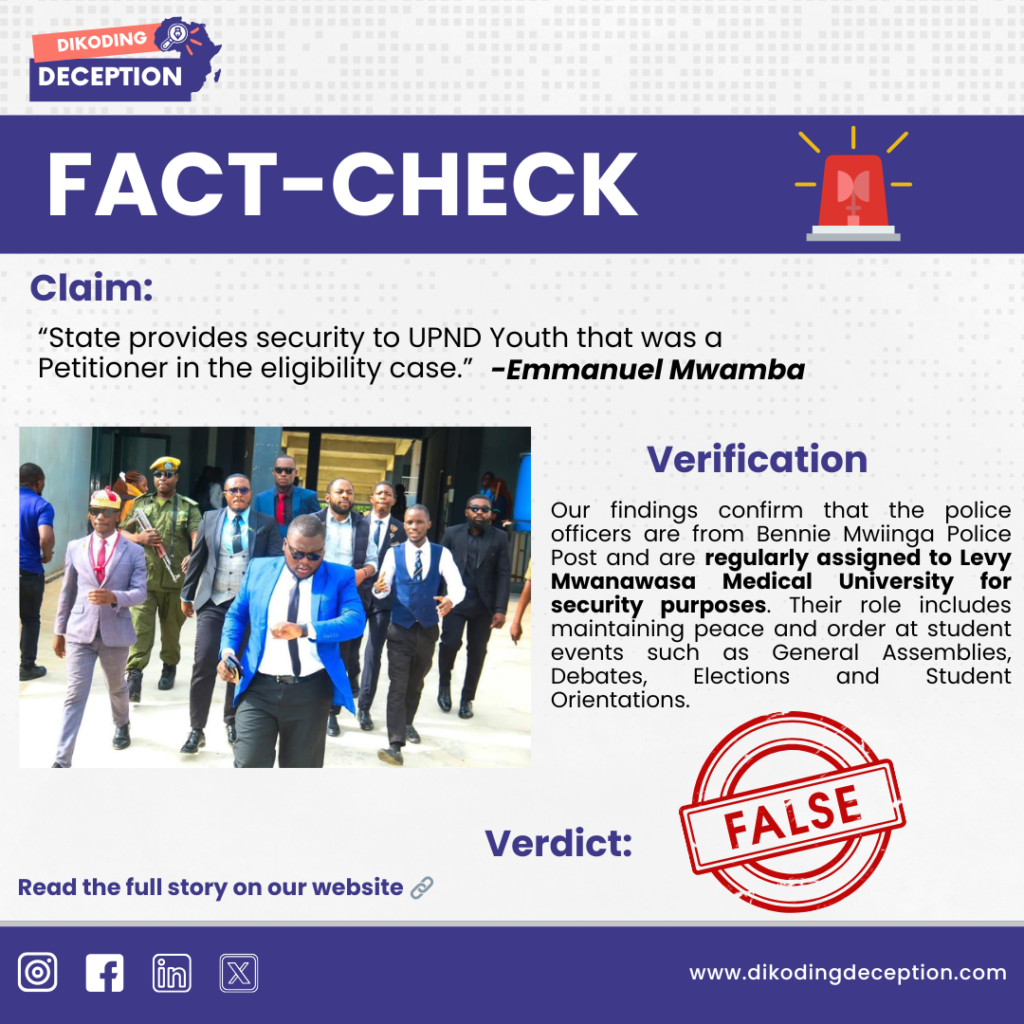
Identifying Fake News
Gain a solid grasp of techniques to spot misleading content effectively.
Proven Strategies to Spot Misinformation
Find quick, clear answers to your pressing questions about media literacy and fact-checking.
How can I verify if a news article is credible?
Check the source, cross-reference facts, and look for supporting evidence from reliable outlets.
What tools are available to help fact-check information?
Use trusted fact-checking websites, browser extensions, and media literacy guides.
Why is it important to question sensational headlines?
Sensational headlines often distort facts to grab attention, so always read beyond the headline.
How can I improve my media literacy skills?
Engage with diverse sources, practice critical thinking, and stay informed about common misinformation tactics.
Our Media Literacy Trainings
How Media Literacy Changed Audience Perspectives
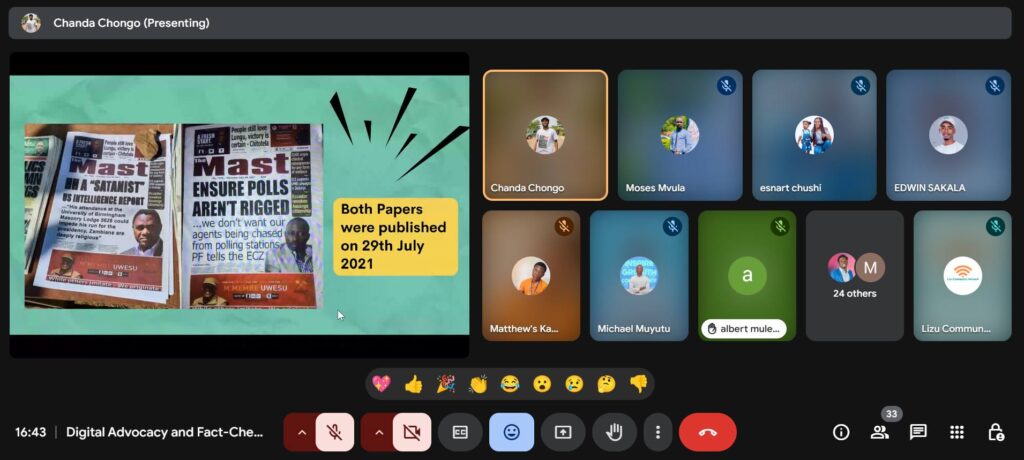
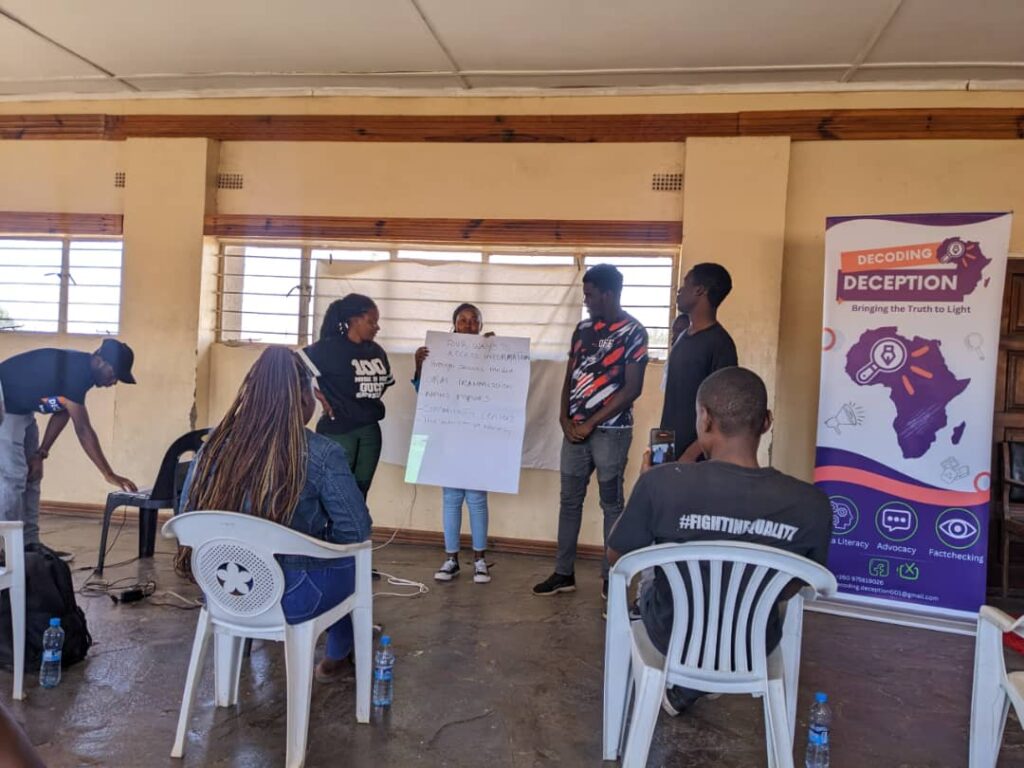
Following our training on election disinformation in Matero, Lusaka, several young participants reported feeling more confident in identifying misleading political content circulating on social media. One participant shared that before the training, they often forwarded election-related messages without verification. After the session, they began fact-checking information before sharing it and also helped peers understand the dangers of false political narratives.
Strengthening Social Accountability Through Information Verification
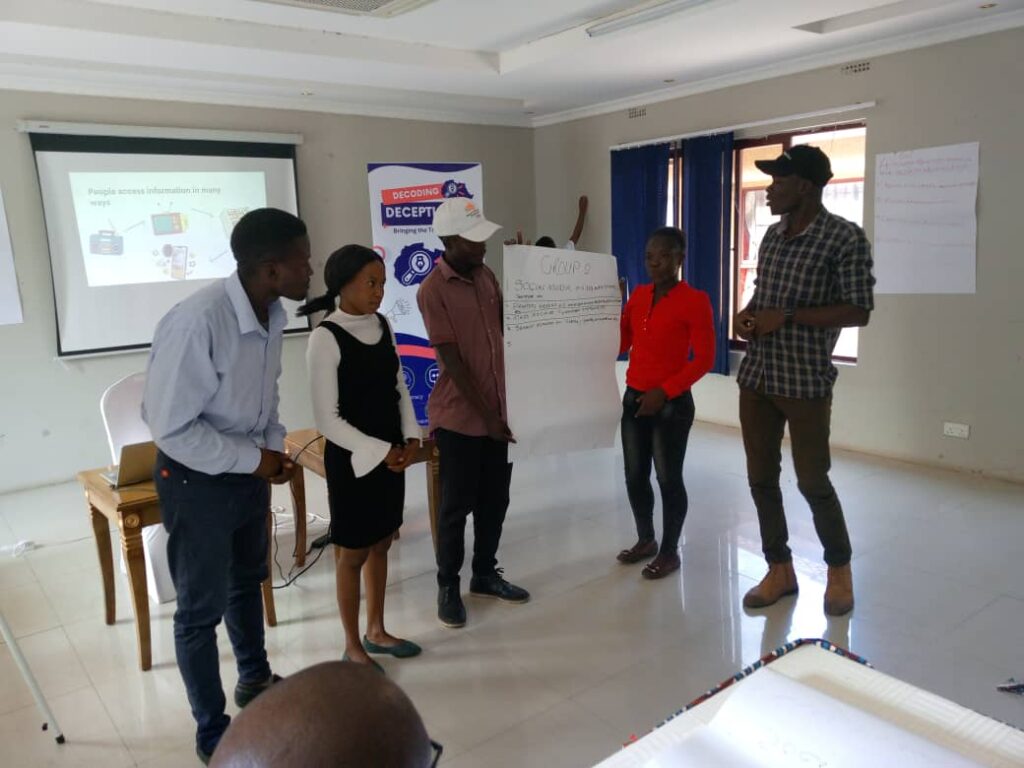
The training was conducted in Mtendere, located within Munali Constituency, one of the most highly contested constituencies during election periods in Zambia. This location provided a strategic context for the training, as political messaging and information dissemination are often intense in such areas. The program focused on equipping participants with the basics of social accountability, emphasizing the connection between the management of public resources and the information disseminated by politicians and other public actors.
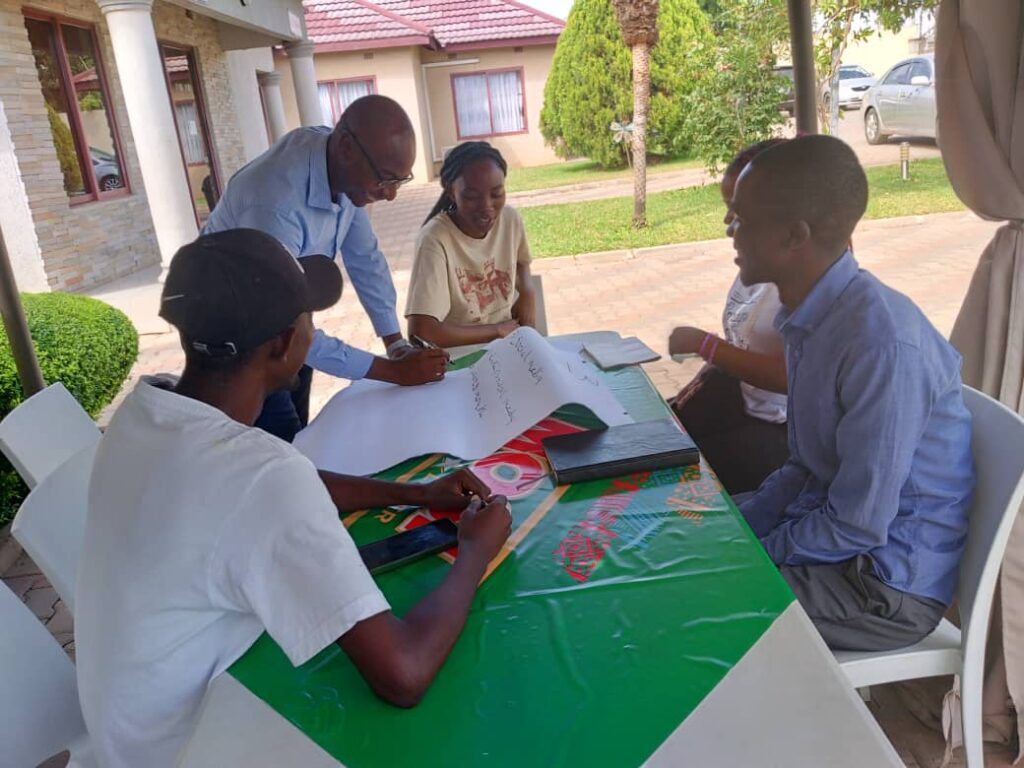
Through practical exercises and real-life examples, participants were introduced to common forms of misinformation and disinformation. They were guided on how to critically evaluate claims, identify misleading narratives, and apply specific tools and techniques to verify information. The training aimed to strengthen young people’s capacity to hold leaders accountable and promote transparency in governance.
During the sessions, participants learned how to verify public information related to governance and community development projects, connecting the dots between data, policy implementation, and public communication. The practical focus of the training ensured that young people could immediately apply their skills in real-world scenarios. For instance, following the training, a local youth group successfully used the knowledge they gained to challenge misleading claims about local development initiatives, engaging community leaders with evidence-based questions and concerns. This proactive approach not only enhanced accountability but also fostered a culture of informed civic participation among youth in the area.
Building Digital Responsibility Among Young Citizens in Zambia and Malawi
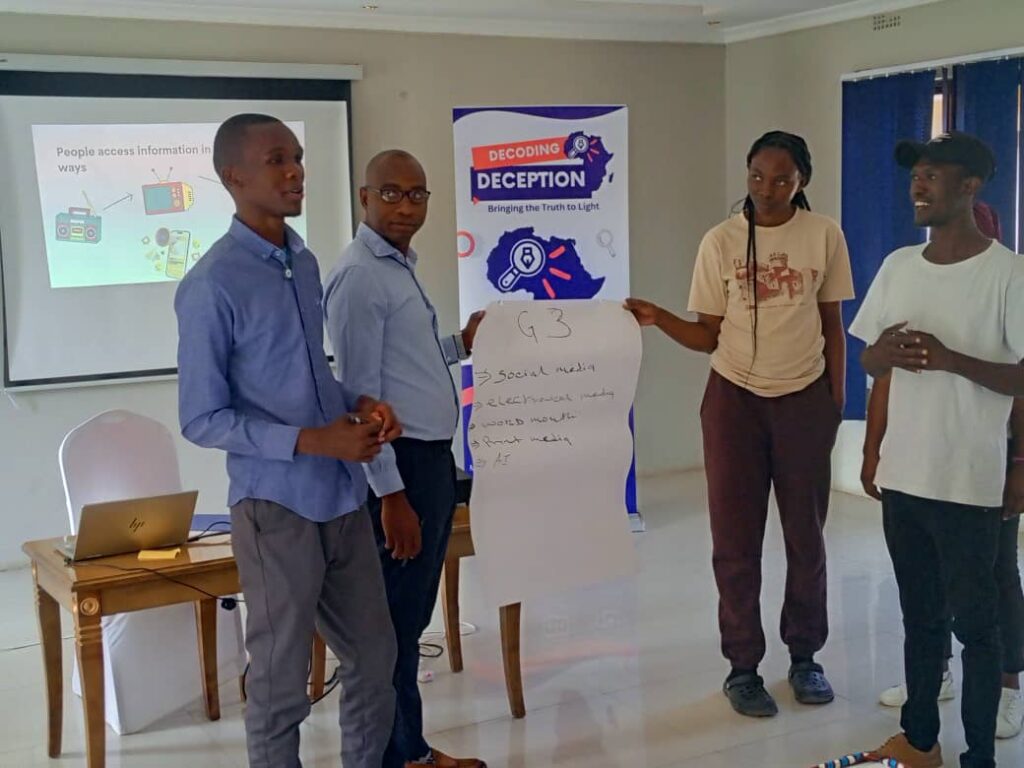
The training was conducted collaboratively by Dikoding Deception and Lizu Community Network, targeting young people from both Malawi and Zambia. The program aimed to equip participants with essential skills in social accountability, digital literacy, and the identification of false information using a variety of practical tools and techniques. Through interactive sessions, the trainees learned how to critically evaluate information, fact-check sources, and recognize misleading content circulating online.
A key focus of the training was on disinformation related to elections, where participants were guided on how to identify false claims propagated by election candidates and their supporters. By analyzing real-life examples from social media, participants developed the ability to detect manipulated images, fake news, and misleading headlines, as well as understand the motivations behind such content.
The training was particularly timely, taking place just a few months before Malawi’s 2025 elections, a period when misinformation and politically motivated narratives tend to increase. Trainees reported gaining practical skills that enabled them to not only protect themselves from disinformation but also act as informed citizens capable of helping their communities navigate misleading content during the election period.