Bringing Truth to Light Through Media Literacy and Fact-Checking
About Dikoding Deception
Dikoding Deception is a Zambian based media literacy hub and fact-checking newsroom committed to building an informed, resilient, and digitally responsible society.
Founded in Zambia, Dikoding Deception works at the intersection of media literacy, digital rights, fact-checking, and civic accountability, with a strong focus on empowering young people, women, and citizens to identify, challenge, and combat misinformation, disinformation, and harmful online content.
In an era where false information spreads rapidly, especially around elections, governance, and public discourse, Dikoding Deception exists to bring truth to light and equip communities with the knowledge and tools needed to navigate the digital space safely and responsibly.
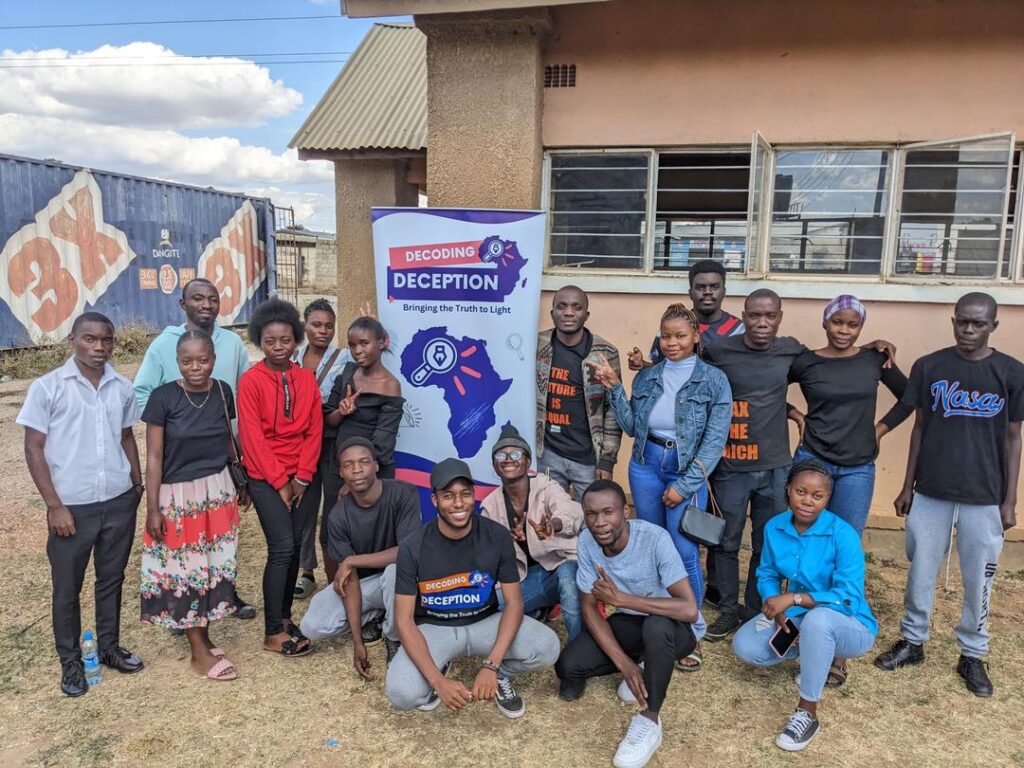
To date, the initiative has trained over 250 young people in combating election disinformation, through both physical and virtual learning platforms, creating a growing network of digital literacy champions across Zambia and beyond.
Our work also addresses emerging threats such as:
- misinformation and disinformation
- election manipulation narratives
- propaganda and digital manipulation
- online harassment
- targeted online gender-based violence
- abuse of digital rights
We produce educational resources, research materials, toolkits, and public awareness campaigns that promote responsible internet use and democratic participation.
Vision
To build a resilient ecosystem of responsible internet users and informed citizens who can critically engage with information, challenge false narratives, and promote accountability in governance, democracy, and public discourse.
Mission
To strengthen media literacy, promote digital rights, and combat misinformation and disinformation through fact-checking, training, research, advocacy, and public education.
Strategic Goal
To build an ecosystem of responsible internet users and informed citizens who can critically engage with information, challenge false narratives, and promote accountability in governance, democracy, and public discourse.
Mastering Fact-Checking to Spot Misinformation
Explore our FAQs for quick, clear insights on media literacy and fact verification.
Why is media literacy important today?
Media literacy is essential in today’s digital world because information spreads faster than ever before, especially through social media, messaging platforms, and online news sources.
Without the ability to critically assess what we read, watch, or share, false information can easily influence public opinion, elections, governance debates, and social behaviour.
At Dikoding Deception, we believe media literacy helps citizens to:
- identify credible sources
- distinguish fact from opinion
- detect misinformation and disinformation
- make informed decisions
- participate responsibly in civic and democratic processes
By strengthening these skills, we help create a safer digital environment and a more informed society.
Who do your trainings target?
Our trainings are primarily designed for young people, students, community leaders, civil society actors, women, and active internet users.
We place a strong focus on empowering youth because they are among the most active users of digital platforms and are often most exposed to online misinformation, election propaganda, and targeted online abuse.
Trainings are conducted both physically and virtually, making them accessible to participants across Zambia and beyond.
How do you fact-check information?
Our fact-checking process follows a clear and transparent methodology.
We begin by identifying a public claim, viral post, image, video, or statement that requires verification. We then trace the original source, gather evidence from credible and independent sources, consult experts where necessary, and cross-check facts before publishing our findings.
Each claim is rated based on evidence, for example as True, Misleading, False, or Unverified.
How can I identify misinformation online?
A good way to spot misinformation is to ask:
- Who is the source of the information?
- Is the source credible and verifiable?
- Is the content designed to provoke fear, anger, or outrage?
- Are there supporting facts, links, or evidence?
- Has it been confirmed by other trusted platforms?
At Dikoding Deception, we provide resources and training to help users strengthen these verification skills.
Do you only focus on election-related misinformation?
No. While we have trained a number of young people in combating election disinformation, our work goes beyond elections.
We also focus on misinformation related to:
- governance and public accountability
- public policy
- health and social issues
- digital rights
- online gender-based violence
- civic participation
Our broader mission is to promote a culture of truth, critical thinking, and responsible digital citizenship.
How can I work with or partner with Dikoding Deception?
We welcome partnerships with civil society organizations, schools, universities, media institutions, youth groups, development partners, and digital rights organizations.
If you or your organization is interested in collaboration, training, research, awareness campaigns, or resource development, you can reach out to us via:
Email: info@dikodingdeception.com or Tel: +260768594087.
We are always open to partnerships that strengthen media literacy, digital safety, and accountability.
Real Stories Empowering Media Literacy
Discover how Dikoding Deception guides you step-by-step to identify misinformation and enhance your media understanding.
How Media Literacy Changed Audience Perspectives
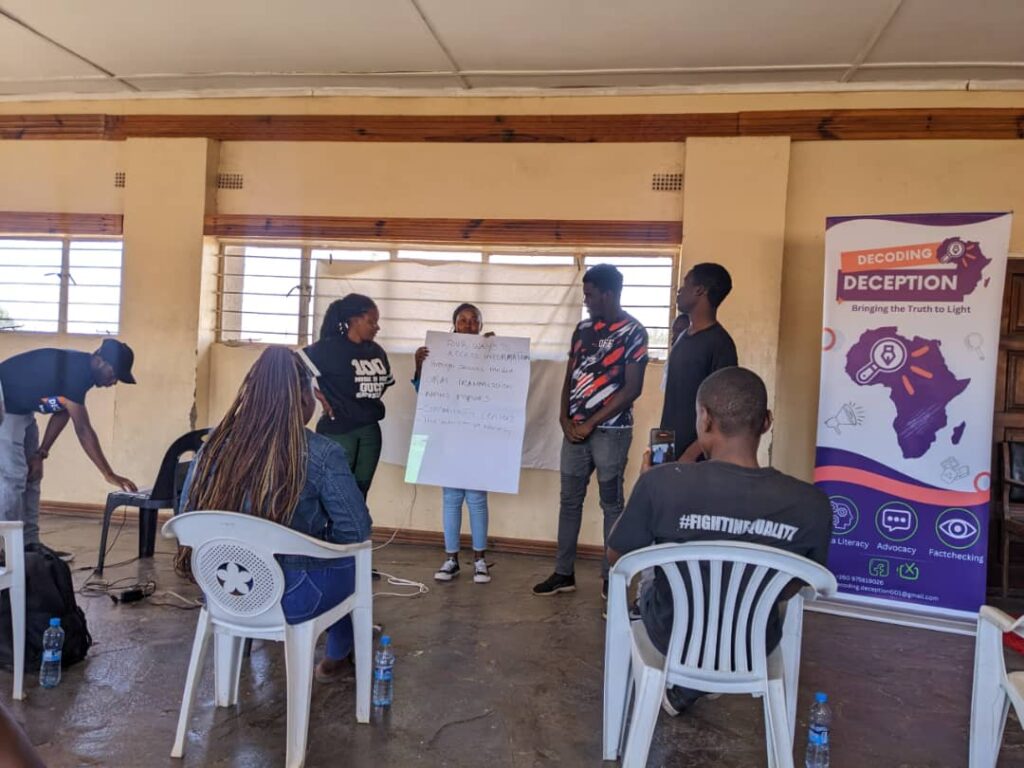
Following our training on election disinformation in Matero, Lusaka, several young participants reported feeling more confident in identifying misleading political content circulating on social media. One participant shared that before the training, they often forwarded election-related messages without verification. After the session, they began fact-checking information before sharing it and also helped peers understand the dangers of false political narratives.
Strengthening Social Accountability Through Information Verification
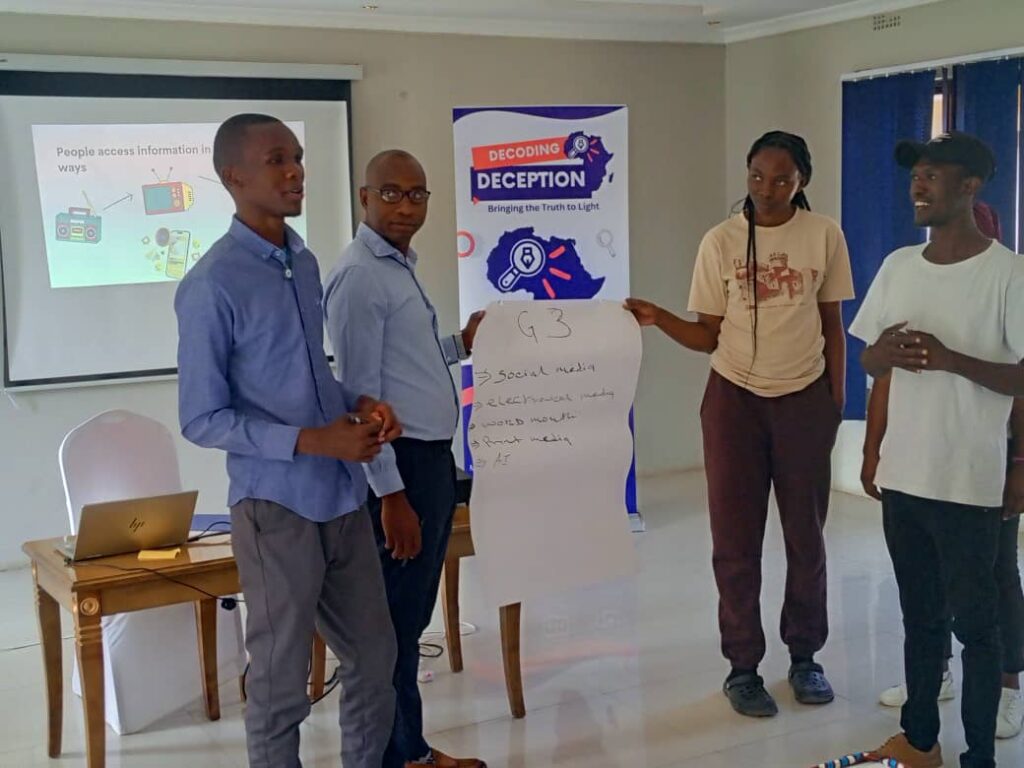
During our social accountability training, young people were equipped with skills to verify public information related to governance and community development. After the training, a youth group used these skills to question misleading claims about local development projects and engaged community leaders with evidence-based concerns, promoting transparency and accountability in their area.
Building Digital Responsibility Among Young Citizens in Zambia and Malawi
Our virtual training on media literacy and disinformation on elections exposed us to practical skills in spotting fake news, manipulated images, and misleading headlines. Several trainees later became peer educators, sharing lessons on responsible internet use and digital rights within their schools and online networks.
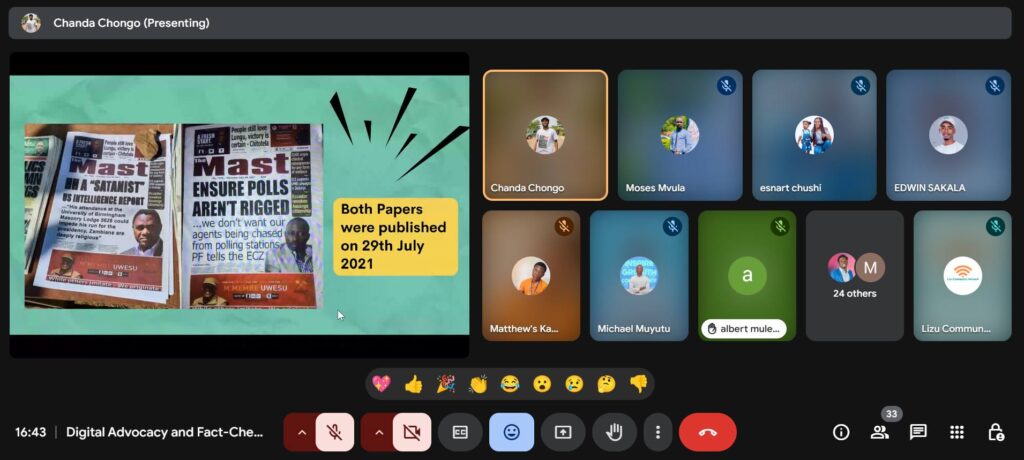
Unraveling How False Information Propagates
Discover valuable tools to improve media literacy and fact-checking skills.
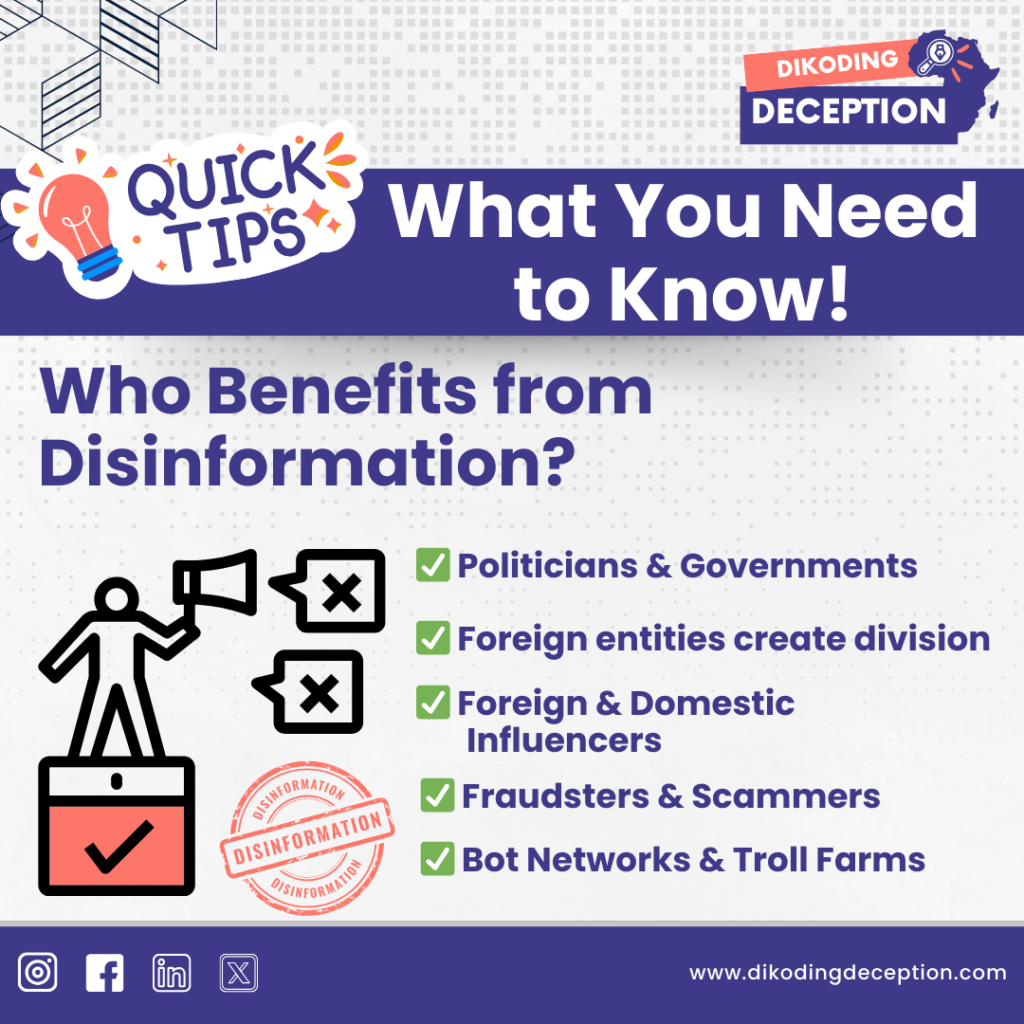
Media Literacy Basics
Fundamental principles to sharpen your ability to evaluate media critically.
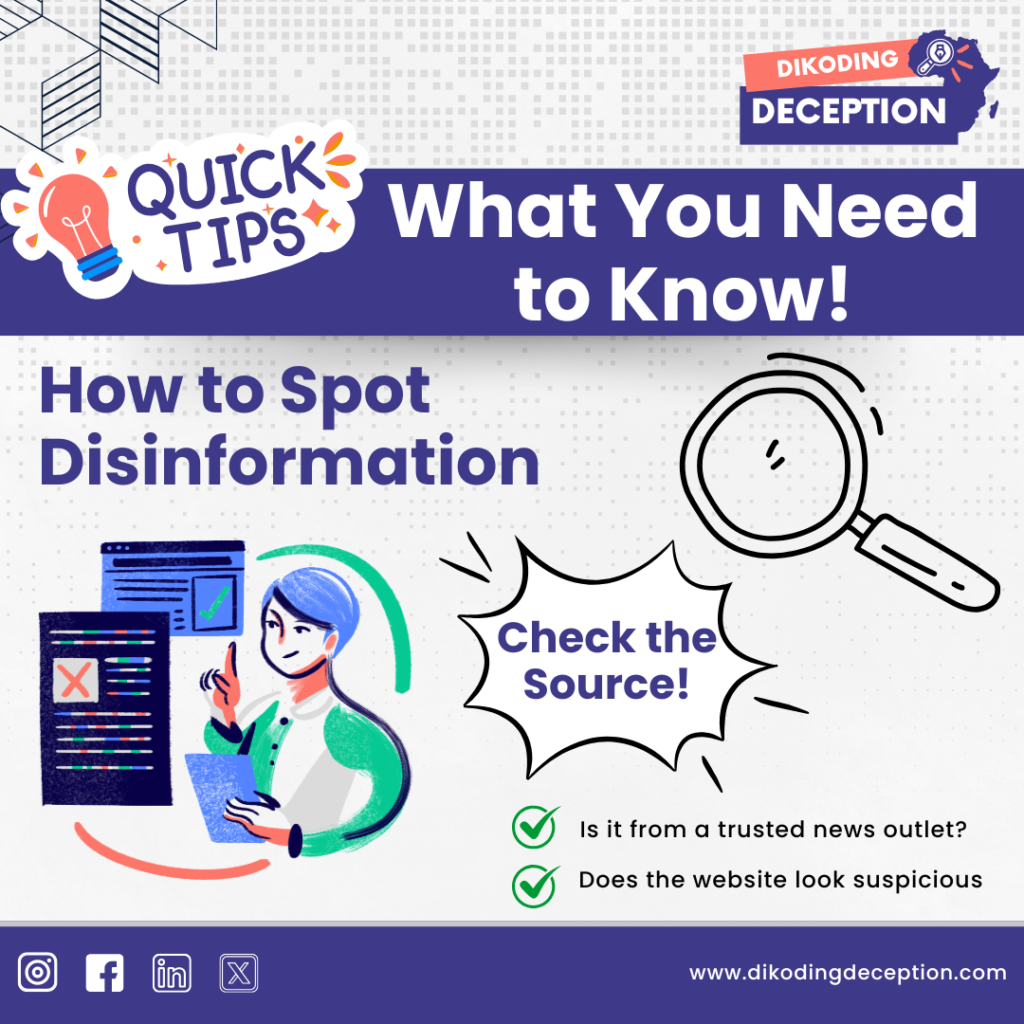
Fact-Checking Techniques
In-depth methods to verify information and detect misinformation.
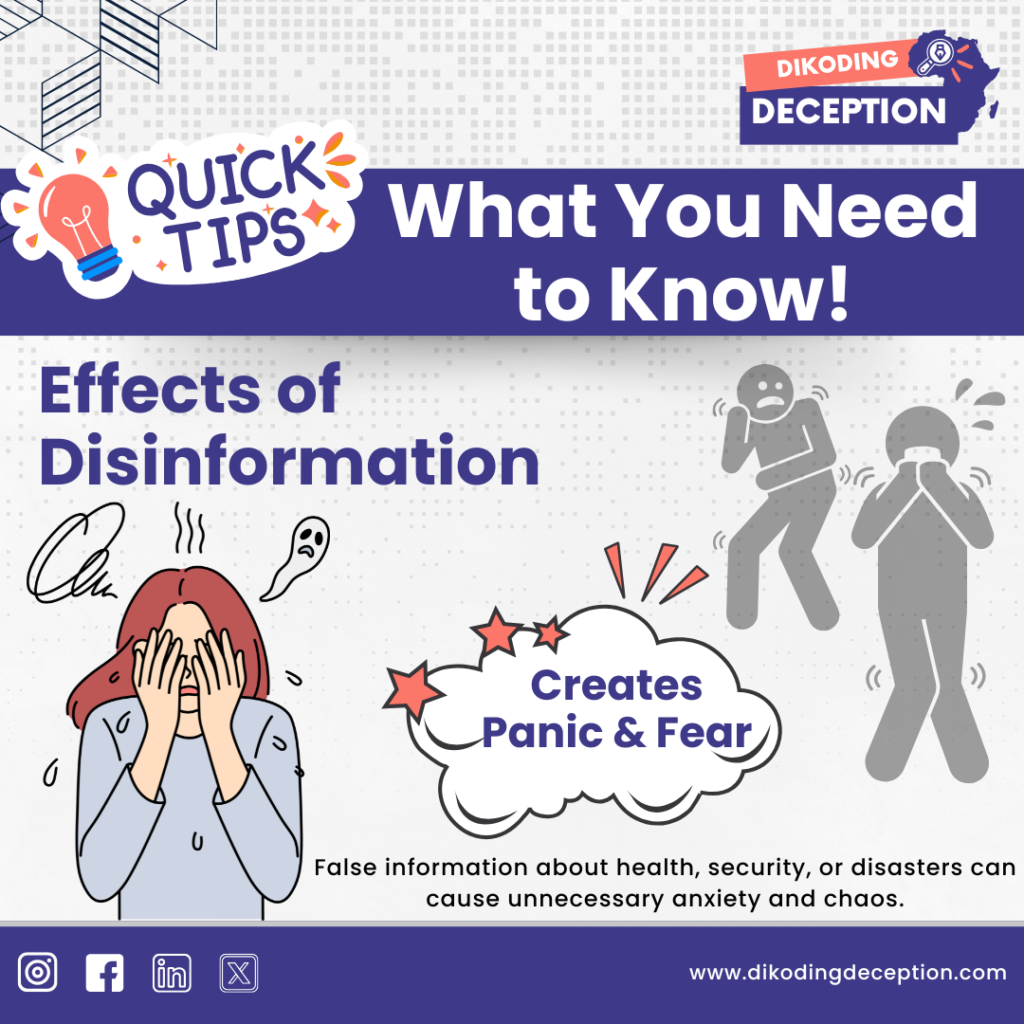
Understanding Media Narratives
Gain insights into how media shapes public perception and stories.
Meet the Team Media Literacy and Digital Rights

Chanda Chongo
Founder and Executive Director
Chanda Chongo is a communications specialist, media literacy trainer, and digital advocacy professional with over six years of experience in advocacy and digital media within the civil society space. His work has focused on strengthening civic engagement, promoting accountability, and combating misinformation through strategic communication and public education initiatives.
He is a grant recipient under the Disarming Disinformation Program by the International Center for Journalists and Poynter Institute, reflecting his commitment to advancing fact-checking and disinformation response efforts. At Dikoding Deception, he leads the strategic vision, partnerships, and training programmes aimed at promoting media literacy and digital rights.

Hellen Chiti Chileshe
Co-Founder and Creative Director
Chiti Chileshe is a creative director and storyteller with strong experience in film, visual storytelling, and creative content development. She brings a unique artistic and narrative perspective to Dikoding Deception, helping shape the hub’s creative identity and public engagement approach.
Her expertise in storytelling and creative direction supports the development of compelling campaigns, educational materials, and multimedia content that make media literacy and digital rights more accessible and impactful for diverse audiences.